

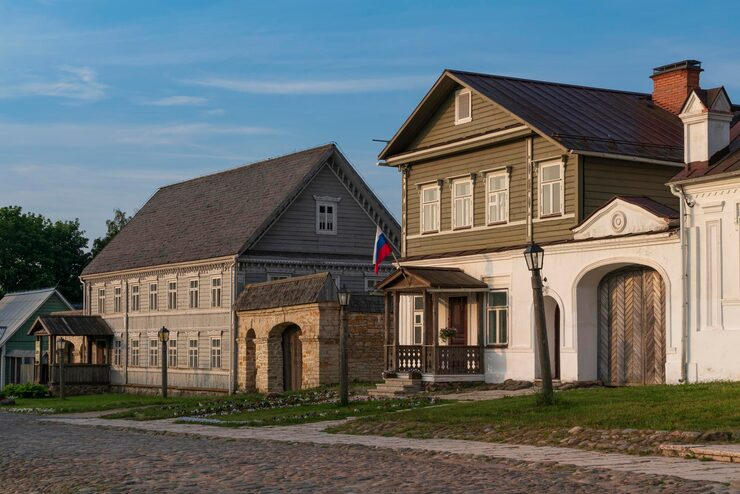
Edenton’s old houses come with two layers of rules and one possible tax credit, and you’ll want to understand all three before making an offer. The local historic district reviews exterior changes, the National Register opens the door to credits, and your budget only works if you respect both. If you’d like a feel for what’s out there first, browse the current historic homes for sale, then come back for the practical side.
Why do buyers fall for Edenton’s old houses?
Edenton was North Carolina’s second colonial capital, and it’s the town Harriet Jacobs escaped from and wrote about. Buildings from the eighteenth century went up while the town still governed the colony, and today’s owners are the ones keeping them standing. The buyers who show up are mostly retirees, remote workers, equity move downs and people who simply love preservation. Honestly, they aren’t chasing speed. The real estate market here isn’t driven by rate swings the way a suburban one is, so these buyers can afford to be choosy.

How do Edenton’s two layers of historic rules work?
What does the National Register actually do?
Think of it as an honor with perks. A listing makes a property eligible for historic tax credits and shapes how federal agencies weigh their impact. On its own, though, it doesn’t tell you what color to paint the house or whether you can replace a window.
What does the local overlay control?
This is the layer with teeth. The Local Historic District, established in 1979 and covering about 500 structures, requires a Certificate of Appropriateness, or COA, before any exterior alteration visible from a public street or navigable waterway. The Edenton Historic Preservation Commission handles the reviews, and typical timelines look like this:
- Window replacement: 30 to 45 days
- Porch alteration: 45 to 60 days
- Addition to the main structure: 60 to 90 days
- Exterior paint change: 2 to 4 weeks
Interior work generally needs no COA unless there’s a preservation easement, and like for like repairs, such as swapping rotted siding for matching wood, count as maintenance. The commission isn’t an enemy, either. A free chat with its administrator before you design anything can save weeks of redesign.
What does historic work really cost?
More than the listing suggests. Vinyl replacement windows are almost always denied on contributing structures, so budget $600 to $1,200 per compliant window. Major projects often call for drawings from a licensed architect with preservation experience. The contractor pool in Chowan County is small, too, which means long lead times. That’s why price per square foot is such a shaky yardstick here. A listing shows the house. It doesn’t show the approvals or the waiting.
Can you claim a tax credit on a historic house?
Yes, but know which credit you’re chasing. The federal 20% credit applies only to income producing properties. If you’ll live in the house, North Carolina’s 15% owner occupied credit is the one that matters. Your rehab has to exceed $10,000 within any 24 month period, and the home must be listed in the National Register, either on its own or as a contributing building in the district.
The State Historic Preservation Office reviews all work against the Secretary of the Interior’s Standards through a two step application. Part A describes the plan, and Part B certifies the finished work. Unused credit can carry forward up to nine years. Watch the clock, though. The credit sunsets January 1, 2030, and qualifying work must be placed in service by January 1, 2032. This is general information, not tax advice, so confirm details with a qualified professional. And remember that the COA and the credit are two separate approvals.
How does the local real estate market shape your offer?
Thin inventory is the backdrop. As of November 3, 2026, the real estate market in Chowan County had 82 active listings, and homes inside the historic district typically list above $400K. Inventory also runs thinnest from December through February. Treat 45 to 90 days on market as normal rather than a warning sign, and keep in mind that one listing can move the numbers. Lean on recent closings more than asking prices.
What should you check before buying historic homes for sale?
A short list beats a long one here. Work through these in order:
- Confirm whether the parcel sits inside the local overlay and whether it’s contributing or non contributing. You can verify status on the state’s HPOWeb map.
- Ask the commission’s administrator what your planned changes would need, since the first consultation is free.
- Check flood zone and coastal rules if the property touches the water, because those rules vary by parcel.
- Look for a preservation easement, which can reach into interior work.
- Start talking to contractors early, since the trades pool is thin.
Conclusion
Buying among historic homes for sale in Edenton is less about the house and more about the rules around it. Two layers of review, a 15% owner occupied credit with an expiry date and a thin real estate market all shape what a fair price really means. Check status first, ask questions early, and budget for approvals as well as repairs.
If colonial streets and the Albemarle Sound are calling you, the next step is simple. Browse the Historic category, save the homes that fit your budget, and ask a local broker who knows the overlay to review a specific address. Horizon Realty Group also publishes a free, plain English Historic Buyer’s Brief that walks through nine chapters, from the overlay to the due diligence checklist. A little homework now keeps your dream house from turning into a puzzle later.