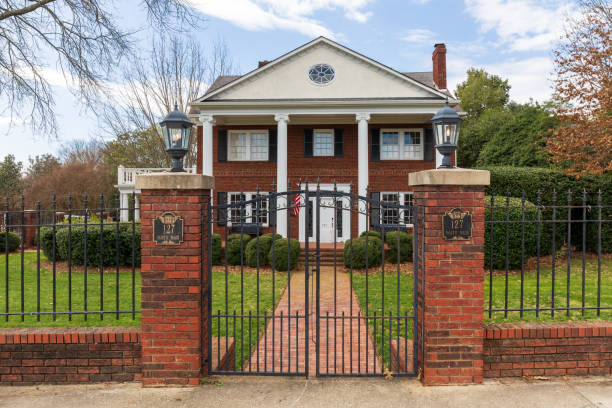


Triple Double Real Estate development focuses on property investment and development across areas such as workforce housing, commercial real estate, and residential conversions. These sectors require careful planning, market research, and financial evaluation to determine whether a project can meet its intended goals.
Real estate development involves more than acquiring land or renovating buildings. Developers must understand local demand, estimate construction costs, evaluate financing options, and plan for the property’s long-term use. A structured approach helps investors assess opportunities and make informed decisions before committing significant capital.
What Is Triple Double Real Estate Development?
Triple Double Real Estate is associated with real estate investment and development, with interests spanning residential and commercial property opportunities.
Development projects can involve acquiring an existing property, improving a building, converting its use, or constructing new housing. Each approach presents different requirements related to planning, financing, construction, and property management.
The appropriate strategy depends on the property’s condition, location, intended use, and financial feasibility.
Understanding the Development Process
Real estate development generally begins with identifying a potential opportunity and determining whether it is suitable for investment.
Developers research the local market, examine the property’s physical characteristics, and evaluate the costs associated with acquisition and improvement. They may also need architectural plans, engineering assessments, permits, and financing arrangements before construction can proceed.
Once a project is completed, its performance depends on factors such as occupancy, rental income, maintenance expenses, and changing market conditions.
Each stage requires careful coordination to keep the project aligned with its original objectives.
Why Long-Term Planning Matters
Property development often involves decisions that affect an investment for several years.
A building that appears attractive at the acquisition stage may require substantial maintenance or improvements later. Similarly, a residential project may face changing rental demand before construction is finished.
Long-term planning helps developers consider these possibilities before committing resources.
It also encourages investors to evaluate the complete investment rather than focusing only on the purchase price or projected rental income.
How Does Triple Double Real Estate Development Evaluate Property Opportunities?
Evaluating a property requires a combination of market research, financial analysis, and physical assessment.
Developers need to understand what the property can realistically support and whether the proposed use fits the surrounding area.
Researching Local Market Demand
Market research helps establish whether a property is suitable for its intended purpose.
For residential development, investors may examine household incomes, rental prices, housing availability, population trends, and access to employment.
Commercial property research may focus on tenant demand, competing buildings, business activity, transportation, and the requirements of potential occupants.
These factors provide a foundation for estimating demand and identifying possible challenges.
Assessing Property Condition and Location
A property’s location can influence its accessibility, operating expenses, and attractiveness to future tenants or buyers.
Developers should also examine structural conditions, building systems, environmental concerns, and the work required to prepare the property for its intended use.
A low acquisition price does not necessarily represent a strong investment if extensive repairs or infrastructure improvements are required.
Professional inspections and realistic cost estimates help investors make a more complete assessment.
What Role Does Workforce Housing Play in Triple Double Real Estate Development?
Workforce housing is one of the areas associated with Triple Double Real Estate’s stated development interests.
This type of housing generally aims to serve working households that need suitable homes at prices or rents aligned with their financial circumstances.
Developing workforce housing requires an understanding of local affordability, construction expenses, financing, and long-term operating costs.
Understanding Housing Affordability
Housing affordability varies between communities because household incomes, rental prices, transportation expenses, and living costs differ by location.
Developers should investigate the needs of the intended residents before deciding on a property’s location, size, and design.
For example, access to employment centers and public transportation may be important considerations for households that need to manage both housing and commuting expenses.
Local market research helps determine whether a proposed development addresses a genuine housing need.
Balancing Development Costs With Rental Income
Workforce housing projects must account for acquisition costs, construction expenses, professional fees, insurance, property management, and maintenance.
Developers then need to compare these costs with realistic rental income and the available financing structure.
If the planned rents cannot support the project’s expenses, the financial model may need to be revised.
Careful budgeting is essential because housing affordability and financial feasibility must be considered together.
How Does Commercial Property Fit Into Real Estate Development?
Commercial real estate represents another area of property investment and development.
Commercial projects can involve acquiring buildings, improving existing spaces, or preparing properties for business and professional use.
The suitability of a commercial property depends on its location, building condition, tenant demand, and ability to meet the requirements of prospective occupants.
Evaluating Commercial Tenant Requirements
Businesses may require specific layouts, parking arrangements, building access, utilities, and proximity to customers or employees.
Developers should research the needs of likely tenants before making significant improvements to a property.
They should also compare competing buildings and assess whether the proposed rental rates are realistic.
This research helps determine whether the property can serve its intended market.
Planning for Ongoing Operations
Commercial buildings require regular maintenance and financial oversight.
Owners may need to budget for repairs, building system upgrades, insurance, taxes, and other operating expenses.
Lease terms and tenant retention can also influence income stability.
A development plan should therefore account for the property’s operating requirements after construction or renovation is complete.
Can Residential Conversions Create Additional Development Opportunities?
Residential conversion involves adapting an existing building for housing or changing its layout to meet different residential needs.
For developers, this can provide an alternative to constructing an entirely new building when a suitable property is available.
However, the feasibility of a conversion depends on the building’s physical characteristics and applicable regulations.
Evaluating Existing Buildings
An underused commercial or residential property may offer potential for a different use, but its suitability must be established through proper assessment.
Important considerations include structural integrity, natural light, ventilation, plumbing, electrical systems, accessibility, and fire safety.
Zoning requirements and local building codes may also affect whether the proposed conversion is permitted.
These factors should be reviewed before the developer commits to a renovation budget.
Comparing Conversion With New Construction
Converting an existing building may reduce the need for certain types of new construction work, but older properties can involve unexpected repair expenses.
New construction may provide more flexibility in design while requiring different investments in land preparation, infrastructure, and building work.
Developers should compare total costs, construction timelines, regulatory requirements, and long-term maintenance needs before selecting a strategy.
The best option depends on the specific property and local market conditions.
How Can Construction Innovation Support Triple Double Real Estate Development?
Construction methods can influence the cost, scheduling, and coordination of a development project.
Triple Double Real Estate has described an interest in concrete panelized modular construction in connection with workforce housing. This approach involves manufacturing concrete panels before transporting them to a site for assembly.
Understanding Panelized Construction
Panelized construction can allow certain manufacturing activities to take place away from the building site.
Under suitable conditions, this may help coordinate manufacturing with site preparation. However, transportation, installation equipment, engineering requirements, and manufacturing capacity must all be considered.
The method is not automatically suitable for every building or location.
Developers should compare complete project estimates before deciding whether panelized construction is appropriate.
Maintaining Quality and Durability
Construction efficiency should be considered alongside building quality and long-term performance.
Developers need appropriate inspections, qualified contractors, suitable materials, and compliance with applicable building requirements.
They should also evaluate future maintenance expenses and the durability of the completed property.
A project that meets its initial budget but requires costly repairs may not provide the expected long-term value.
What Financial Factors Influence Real Estate Development?
Financial planning helps determine whether a project can be completed and operated within realistic financial limits.
Developers must consider acquisition costs, construction expenses, financing, insurance, taxes, and ongoing property management.
Preparing a Realistic Budget
A development budget should reflect the actual scope of the project rather than relying on broad estimates.
For renovation projects, inspections may reveal structural or mechanical issues that increase the amount of work required.
Developers should also account for professional services, permit fees, construction materials, labor, and possible delays.
A contingency allowance can provide some flexibility when unexpected expenses arise.
Evaluating Investment Risks
Property development can be affected by changes in interest rates, construction costs, tenant demand, and local regulations.
Investors should test different financial scenarios to understand how these changes might affect the project’s feasibility.
For example, a project may become less attractive if construction costs rise or rental income is lower than expected.
Scenario analysis helps investors identify financial weaknesses and make better-informed decisions.
Conclusion
Triple Double Real Estate development provides a context for examining property investment across workforce housing, commercial real estate, residential conversions, and construction innovation.
A well-planned development requires careful property selection, local market research, realistic financial projections, and attention to construction quality. Developers must also consider the long-term costs of maintaining and operating the completed property.
For investors, the key is to evaluate each opportunity individually and verify the information supporting the proposed strategy. A disciplined approach can help determine whether a project fits its intended purpose and financial objectives.